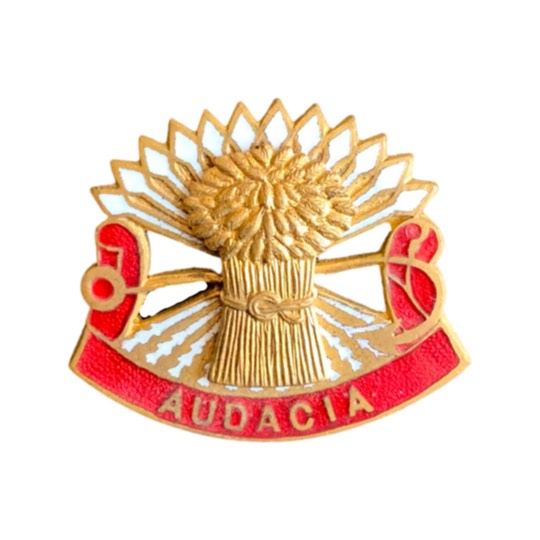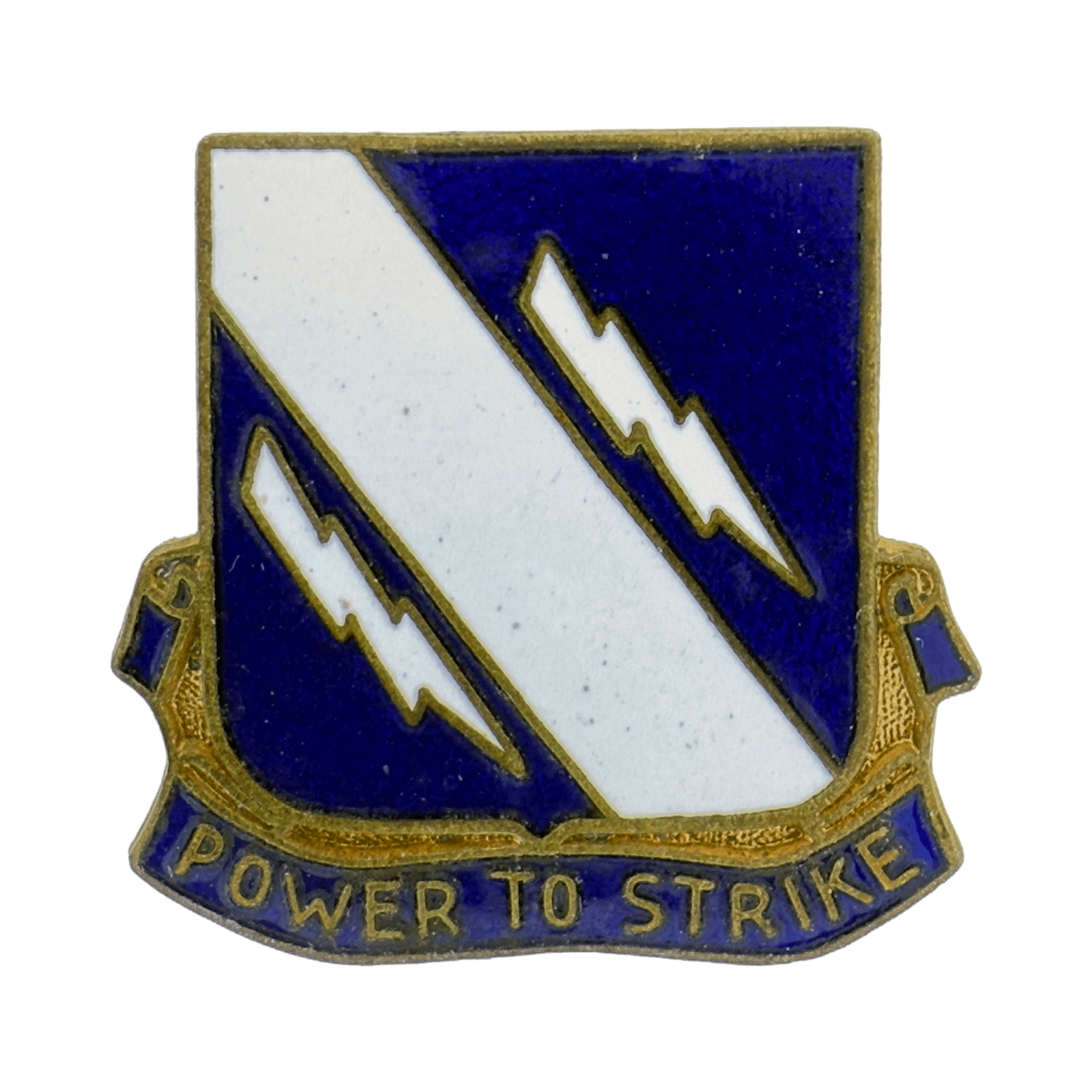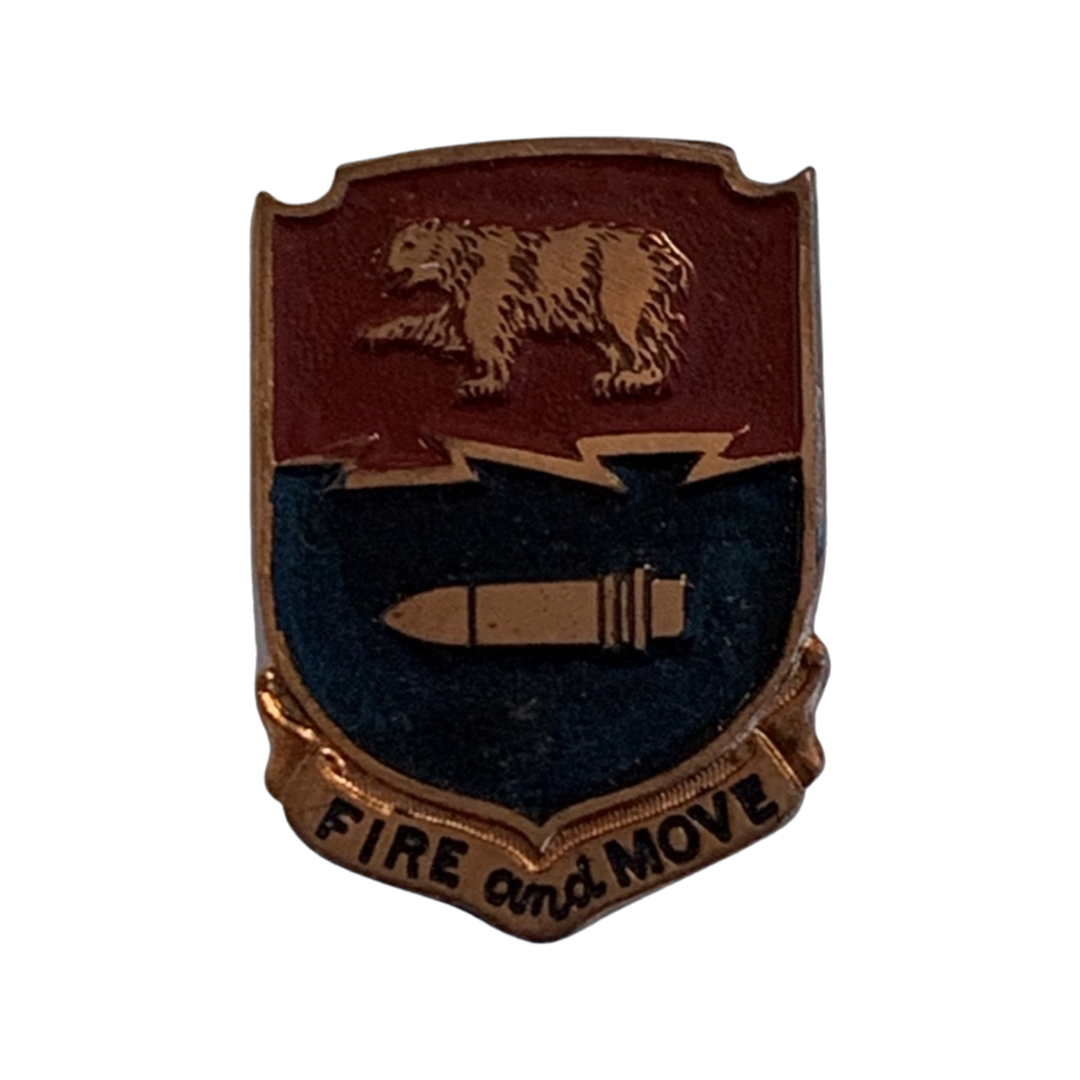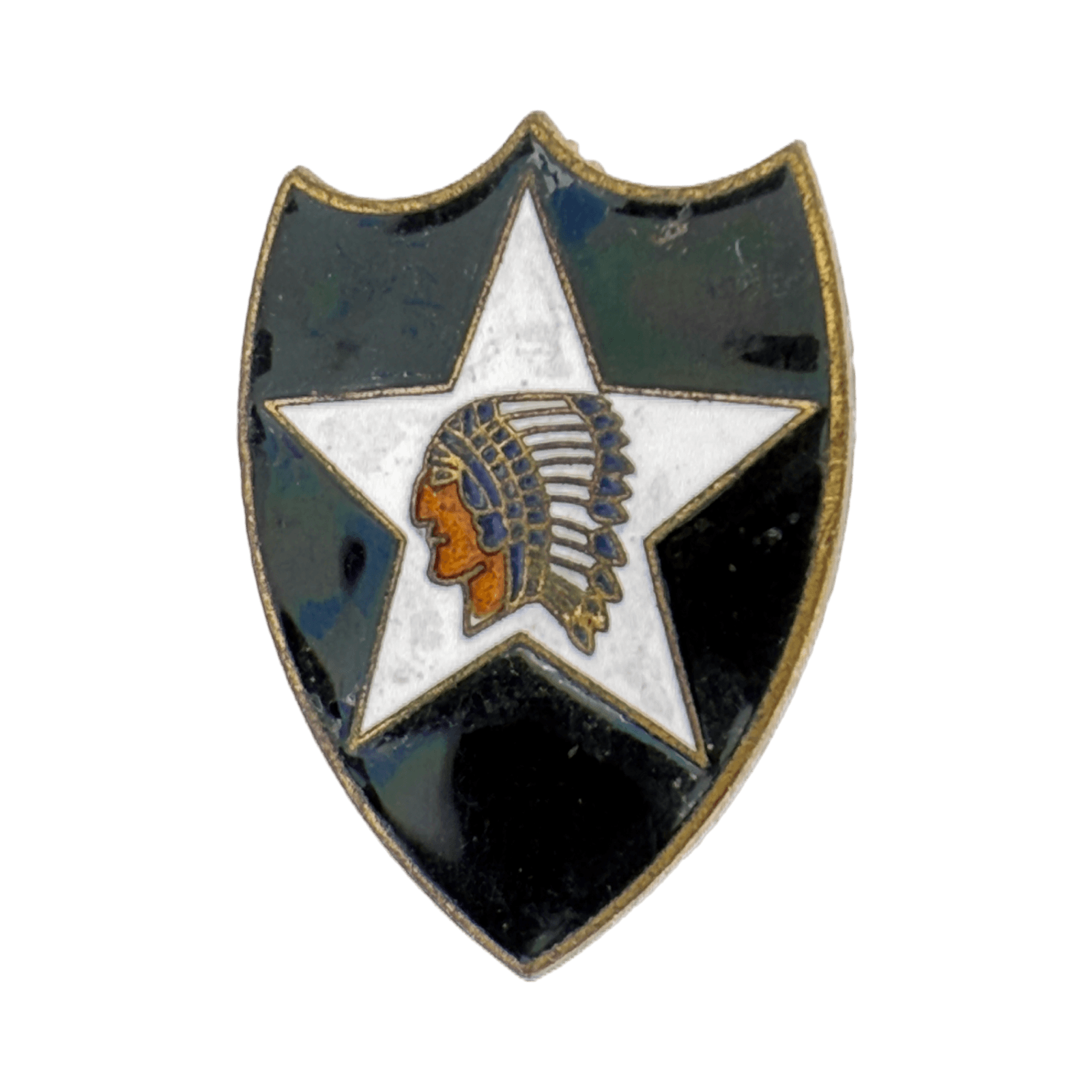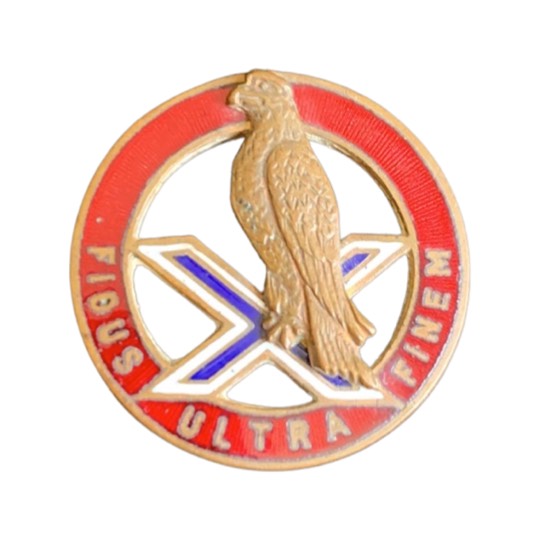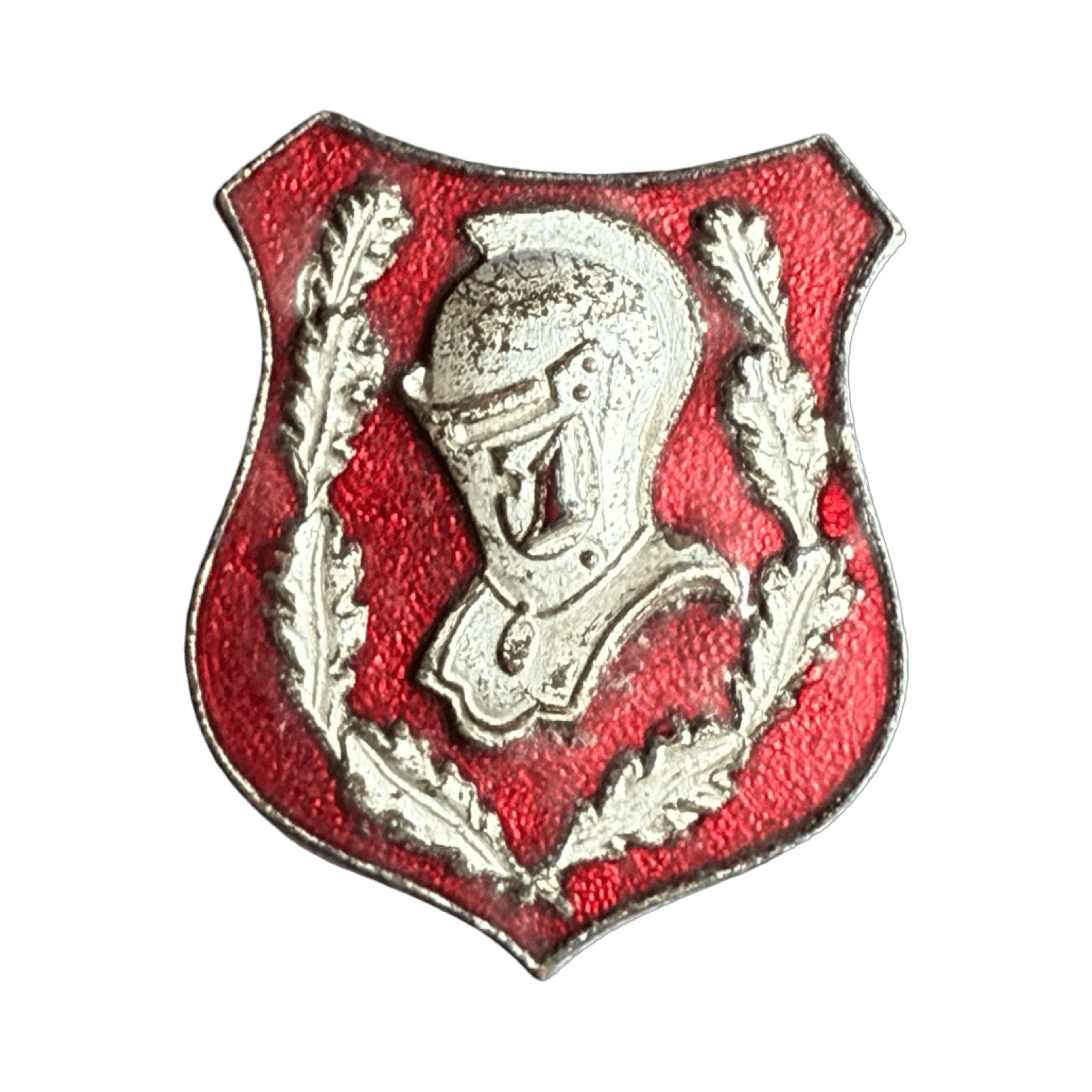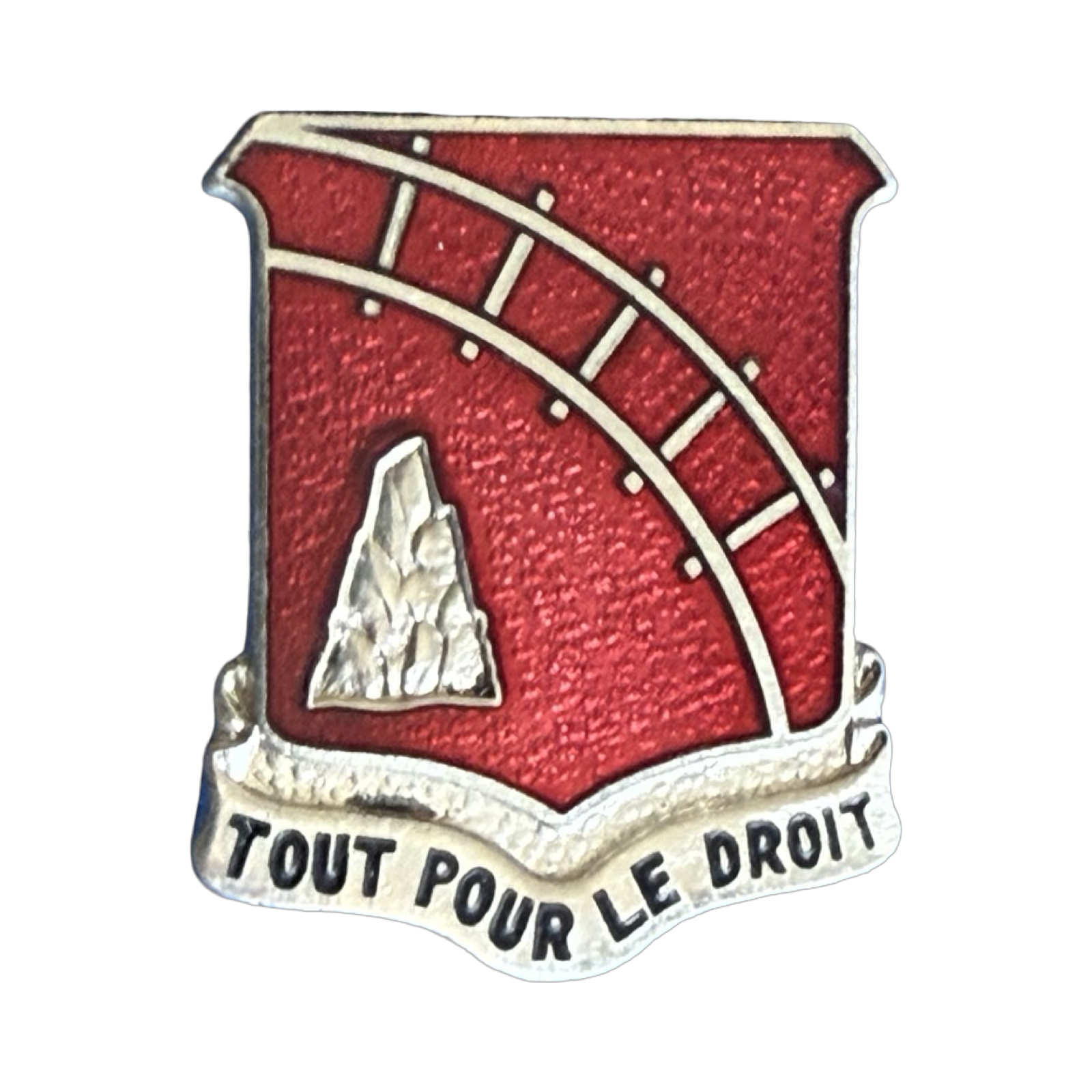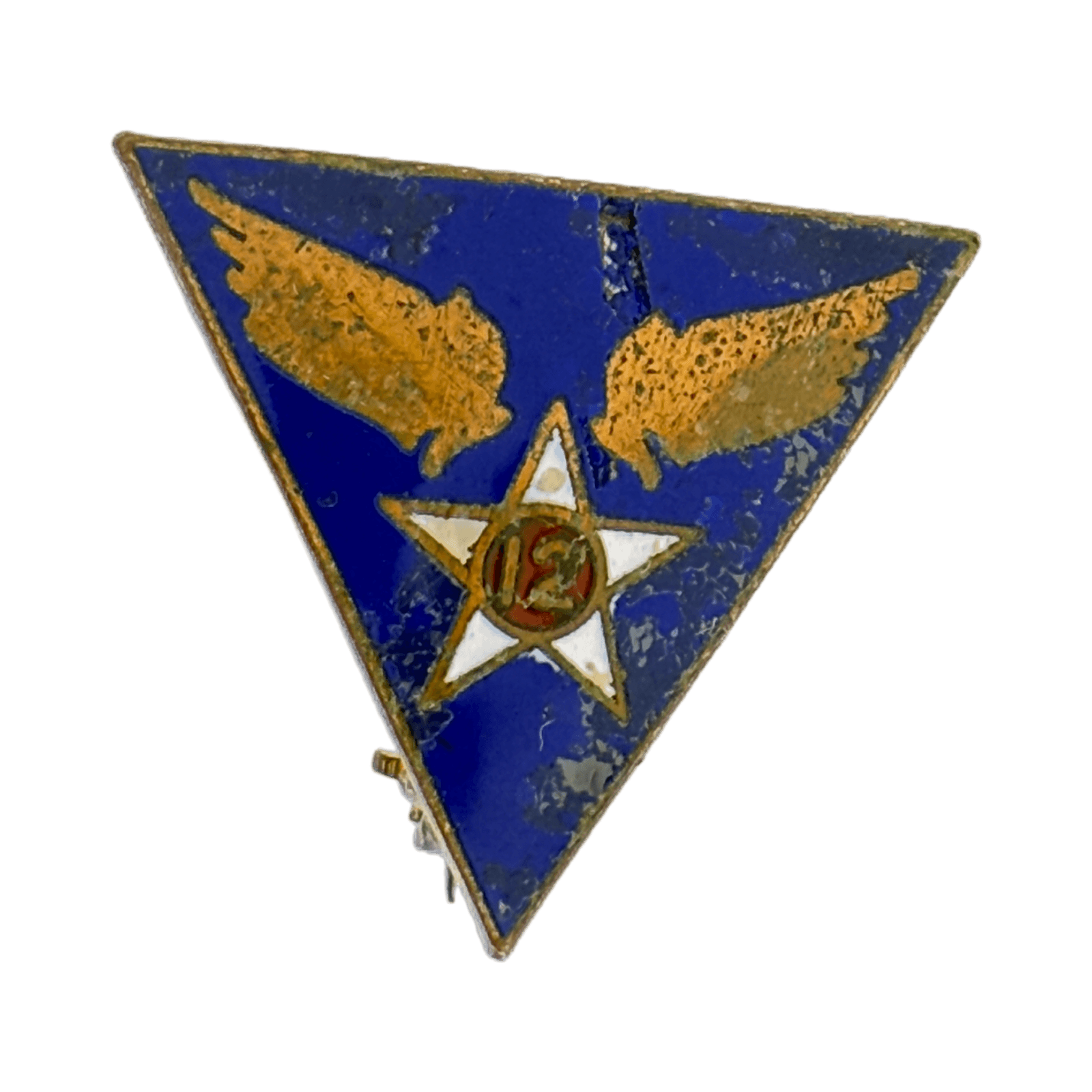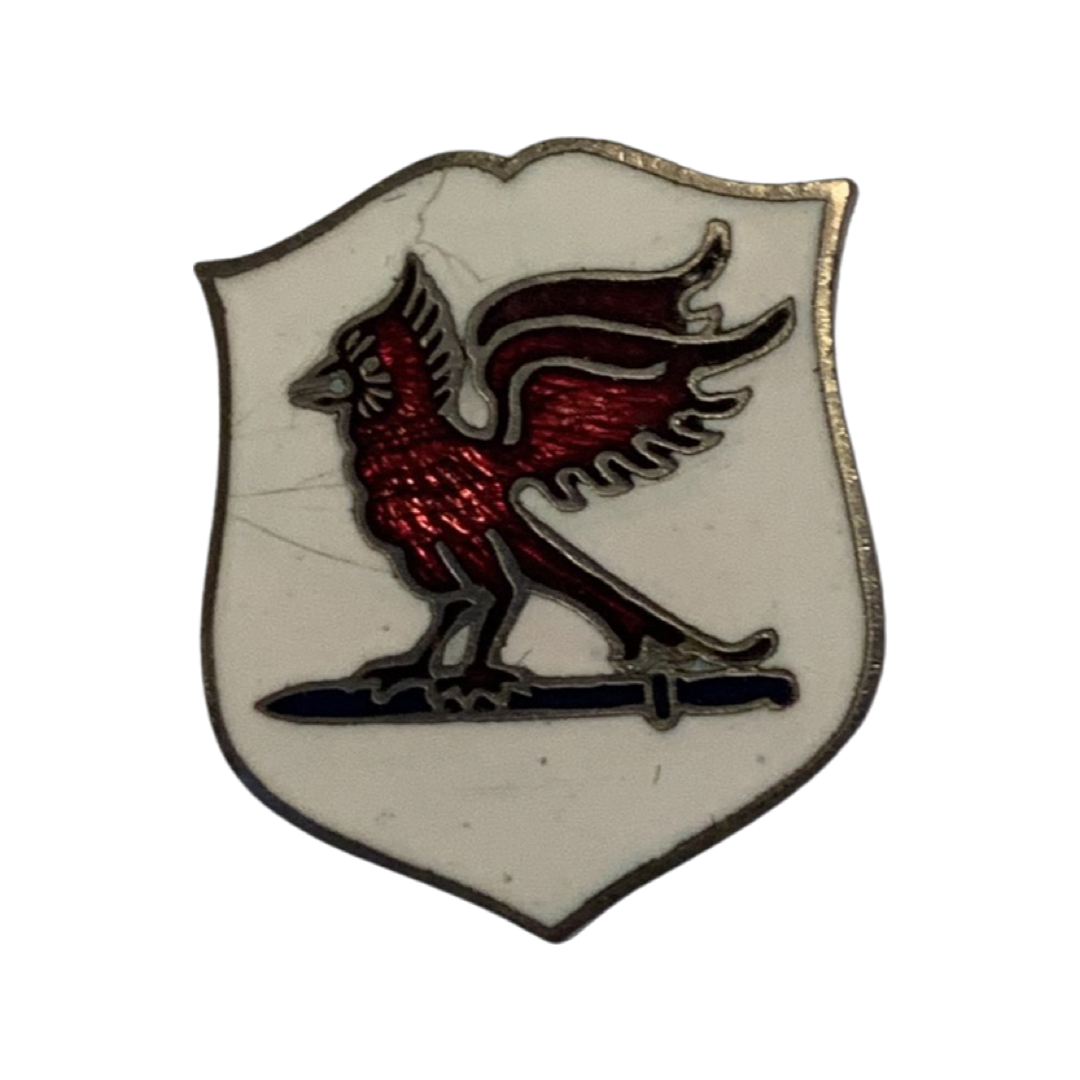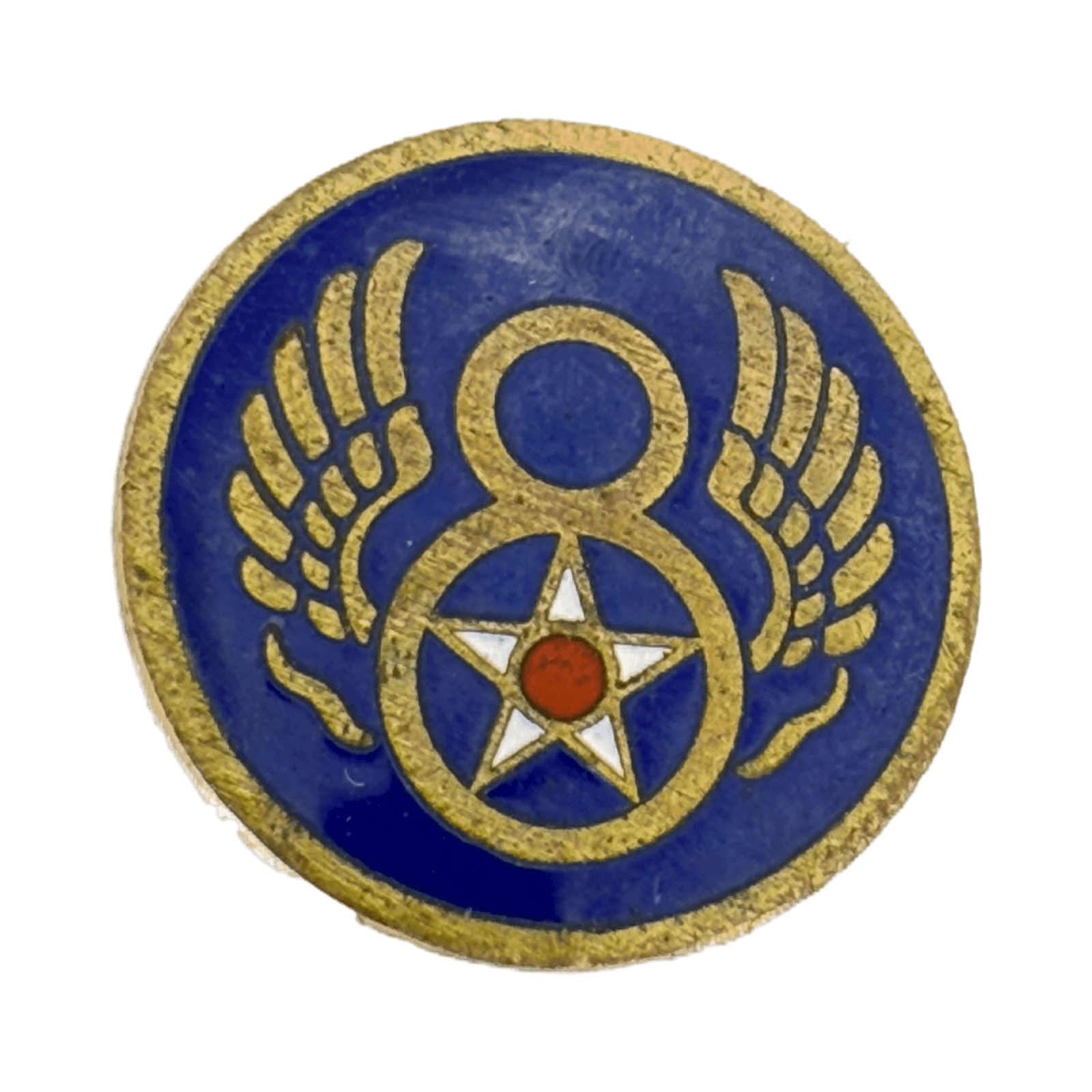
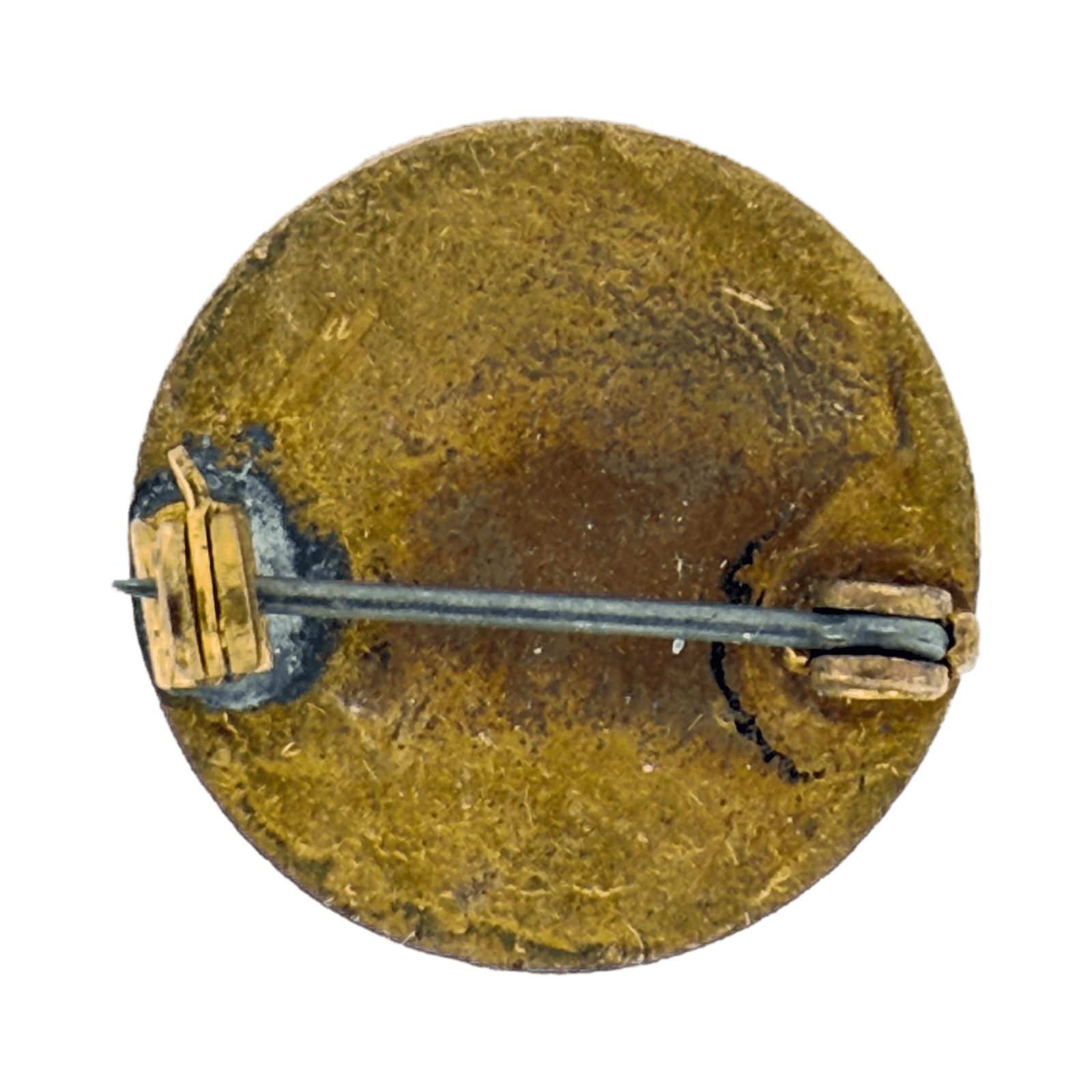
8 Air Force 8A1(C/c)
$10.00
In Stock
Log in to add items to your cart and wishlist
The 8 Air Force 8A1(C/c) is an authentic Korean War and post Korean War era era Distinctive Unit Insignia. Collectors often search for this type of item as a Distinctive Unit Insignia, also known as DUI, DI, Crest. This Korean War and post Korean War era period piece is highly sought after by military memorabilia enthusiasts and historians.
Product Details
Catalog #: 8A1-8 AF(C/c)
Era: Korean War and post Korean War era
Manufacturer: No Hallmark
Hallmark: No Hallmark
Height (mm): 22.06
Width (mm): 22.08
Unit History: 8th Air Force
1940–1947 (World War II)
The 8th Air Force was constituted as VIII Bomber Command on 19 January 1942 and activated on 28 January 1942 at Langley Field, Virginia. Redesignated as Eighth Air Force on 22 February 1944, it became the principal American strategic bombing force in the European Theater of Operations. Headquartered in England, the 8th Air Force directed daylight precision bombing campaigns against Nazi Germany, targeting industrial sites, transportation networks, and military installations. The command played a pivotal role in weakening German war production and supporting Allied ground operations, including the Normandy invasion. By war’s end, the 8th Air Force had become the largest air striking force in history, flying over 440,000 sorties and suffering significant casualties. Following the German surrender, the unit was reassigned to the United States and inactivated on 7 June 1946 at MacDill Field, Florida.
1948–1957 (Early Cold War / Korea)
Reactivated on 7 June 1946, the 8th Air Force became a key component of Strategic Air Command (SAC), responsible for the United States’ long-range nuclear deterrent during the early Cold War. Headquartered at Fort Worth Army Airfield (later Carswell Air Force Base), Texas, the 8th Air Force oversaw the deployment and readiness of strategic bomber forces, including the B-29 and later the B-36 and B-47 bombers. During the Korean War, the 8th Air Force provided strategic deterrence and maintained a high state of readiness, though its bombers were not directly engaged in combat operations in Korea.
1958–1980 (Cold War / Vietnam Era)
Throughout the Cold War, the 8th Air Force continued its strategic deterrence mission under SAC, adapting to new technologies and aircraft, including the B-52 Stratofortress and intercontinental ballistic missiles. The command played a supporting role during the Vietnam War, with its bombers participating in Operation Arc Light and other strategic bombing campaigns over Southeast Asia. The 8th Air Force remained a central element of America’s nuclear triad, maintaining global strike capabilities and readiness throughout the era.
1980–Present (Post-Vietnam / GWOT)
In the post-Vietnam era, the 8th Air Force underwent several reorganizations, reflecting changes in U.S. strategic doctrine and the end of the Cold War. Today, the 8th Air Force is headquartered at Barksdale Air Force Base, Louisiana, and serves as the Air Force Global Strike Command’s operational component for strategic bomber forces. The unit oversees B-52, B-1, and B-2 bomber wings, providing global strike and nuclear deterrence capabilities. The 8th Air Force has supported operations in the Gulf War, Kosovo, Afghanistan, Iraq, and ongoing global missions as part of the United States’ strategic force posture.
References (AMA)
Wikipedia contributors. Eighth Air Force. n.d.
Wikipedia
GlobalSecurity.org. 8th Air Force. n.d.
GlobalSecurity.org